
 Join our team, work with us!
Key Urbanization Trends
Nairobi's population has surged from 290,000 in 1960 to over 5 million in 2023, with over 60% in informal settlements, up from 33% four decades ago. The city faces infrastructure strain, including inadequate water (84% access but inconsistent), sanitation (54% access), and energy, with rapid growth leading to slums like Kibera and Korogocho characterized by overcrowding and poverty. Initiatives like the Nairobi Rivers Commission and affordable housing projects aim to mitigate this, but high urban primacy (Nairobi dominates economically) exacerbates inequalities. Climate events, such as the 2024 floods, have displaced residents and highlighted vulnerabilities in informal areas.
Key Youth Issues
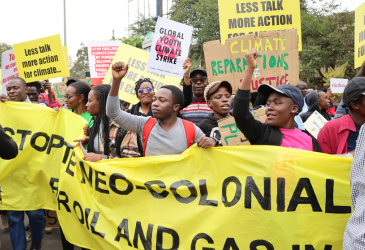
Youth comprise 70% of Nairobi's informal settlement residents, facing 48% unemployment among the workforce aged 15-64. High poverty (over 60% in areas like Korogocho) drives crime, with 61.2% linked to youth joblessness, alongside substance abuse and gender-based violence. Urban youth contend with skills gaps, limited access to education, and health risks like HIV/AIDS and mental health issues, exacerbated by economic pressures from rising costs. Protests like the 2024 Gen-Z movement against taxes highlight frustrations over job scarcity and governance.
Justification for Youth and Urbanism Organisation's Work
Operating in Nairobi's informal settlements, the organization supports youth-led initiatives in urban planning and climate resilience, directly combating issues like flood vulnerabilities and environmental degradation. Their climate action programs, as featured in podcasts, address urban crises like river pollution, aligning with city efforts like the Climate Worx Programme. By fostering youth empowerment and safe spaces, they reduce crime and unemployment, justifying their role in creating inclusive urban environments amid Nairobi's rapid growth.

References to Africa and Global Urbanization
Nairobi exemplifies Africa's urban challenges, where 80% of growth occurs in cities, leading to megacities (Africa will have 17 by 2050). Similar to other African hubs, inequality (Gini coefficient 0.58) and slum dwellers (65% in SSA) dominate. Globally, cities like Nairobi reflect trends where urban populations double by 2050, with youth migration driving innovation but straining services, as seen in Asia's megacities. Africa's youth-driven urbanization (Gen-Z at 33% of population) mirrors global shifts, where digital connectivity amplifies protests and demands for sustainable cities.