Mathare: A Focus Area for Youth and Urbanism
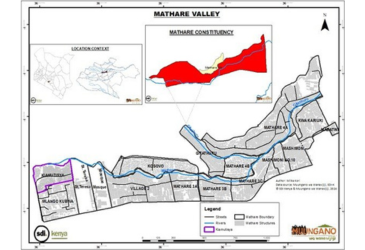
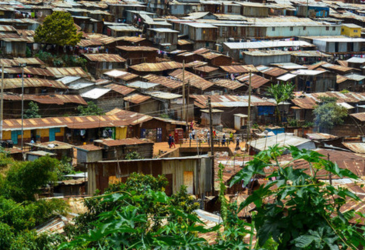
Mathare, Nairobi's second-largest slum, houses over 500,000 people (far exceeding the 2019 census of 206,564), with 70% youth. Rapid urbanization has led to poor infrastructure, including inadequate sanitation and water, worsened by 2024 floods causing evictions and gender-based violence surges. Environmental issues like river pollution and waste buildup persist, despite initiatives like tree-planting along the Mathare River.
Mathare reflects Africa's informal settlement dominance (65% urban dwellers in SSA slums), where youth bulges drive 80% urban growth.
Youth and Urbanism
Youth in Mathare face extreme unemployment, pushing many into crime, drug abuse, and vigilante violence. Single mothers and child-headed households deal with overlapping deprivations in education, health, and protection, compounded by climate shocks. Mental health stigma, GBV, and extrajudicial killings create trauma, with youth comprising most victims.
As a youth-led entity based in Mathare, the organization plants trees, runs climate actions, and supports networks to address riparian degradation and youth crises. Their empowerment of marginalized youth through urban community development counters GBV, unemployment, and environmental harm, as seen in collaborations with local networks for green initiatives. This justifies their presence by transforming "slums" into sustainable spaces, reducing instability in high-density areas.

 Join our team, work with us!