 Join our team, work with us!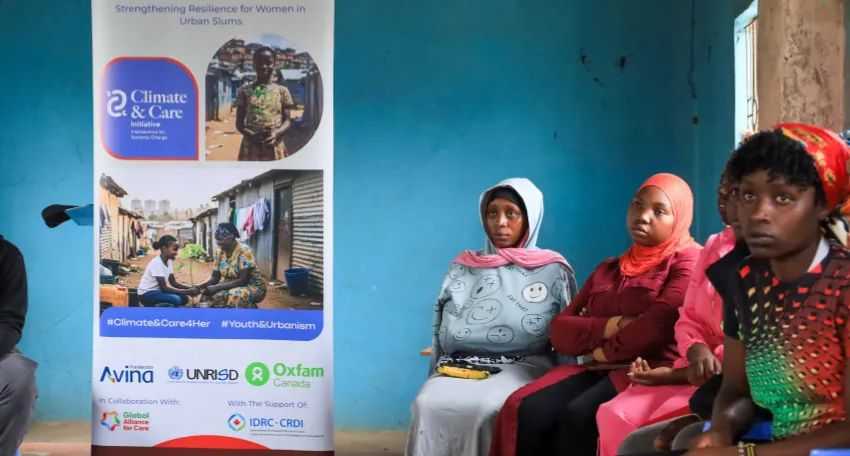
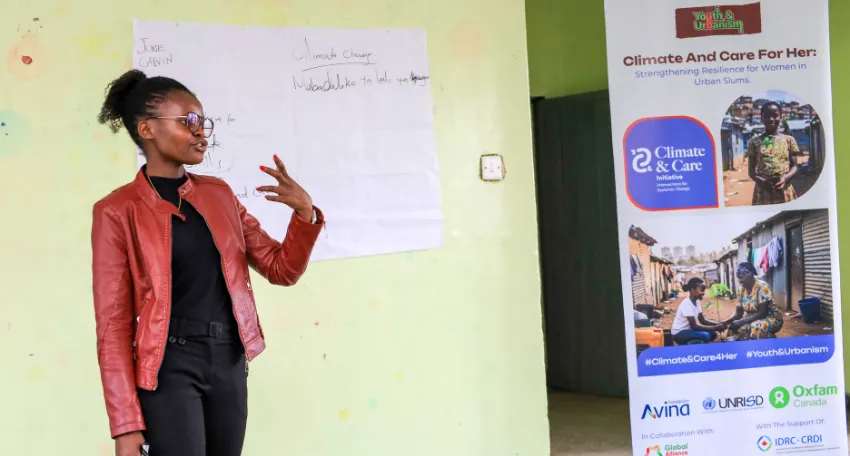
Climate and Care for Her: Strengthening Resilience for Women in Urban Slums
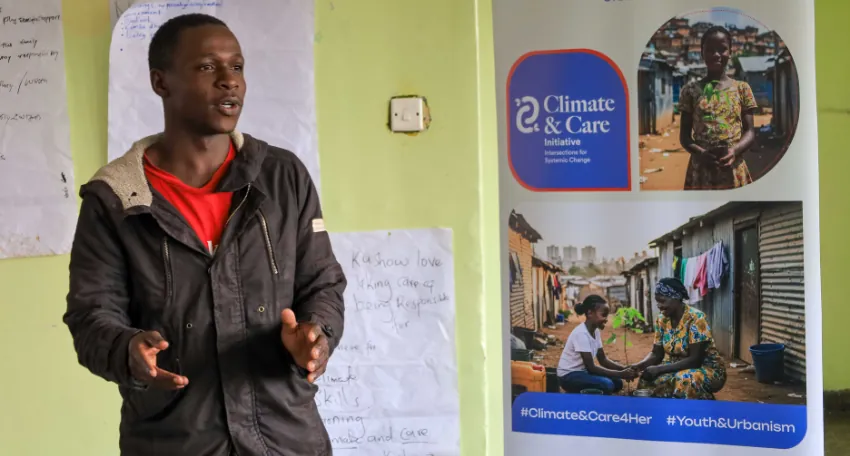
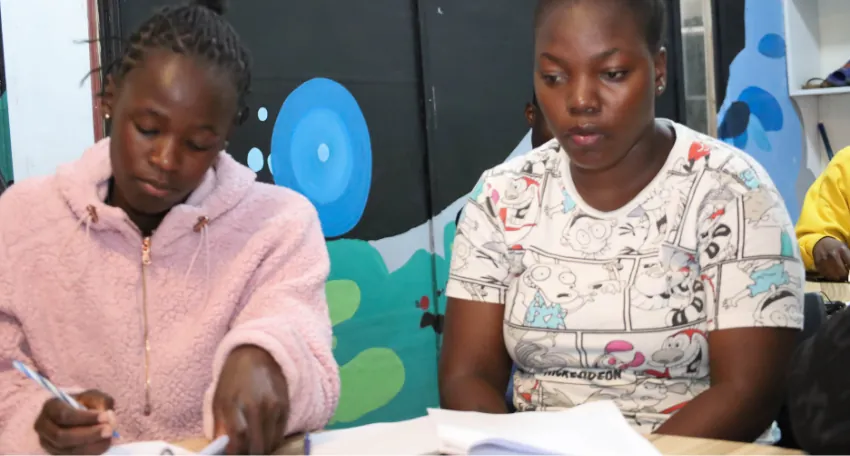
For nearly a year now, Youth and Urbanism has been on the ground in Mathare – Kenya’s second-largest informal settlement – turning the invisible burden of care into visible action. Young girls and women here have always carried the heaviest load: fetching water, sourcing food and fuel, nursing the sick, and holding families together. Climate change has made that load almost unbearable.
OWe have seen it with our own eyes. The devastating Mathare floods that claimed at least 13 lives and displaced thousands of families forced women and girls to improvise shelters, care for the injured, and keep children safe with almost no support. Government evacuations left them without homes, while the daily struggle for water, sanitation, and school continued. Yet these same women and girls showed incredible strength – and we listened.
What We Are Doing: The Three Pillars We Live Every Day
We are actively tackling all three critical thematic areas:
- Addressing the increased demand for care because of climate change We have mapped how floods, heat, and drought multiply caregiving hours. Through our ongoing activities, women and girls are now documenting these extra burdens and co-designing practical solutions.
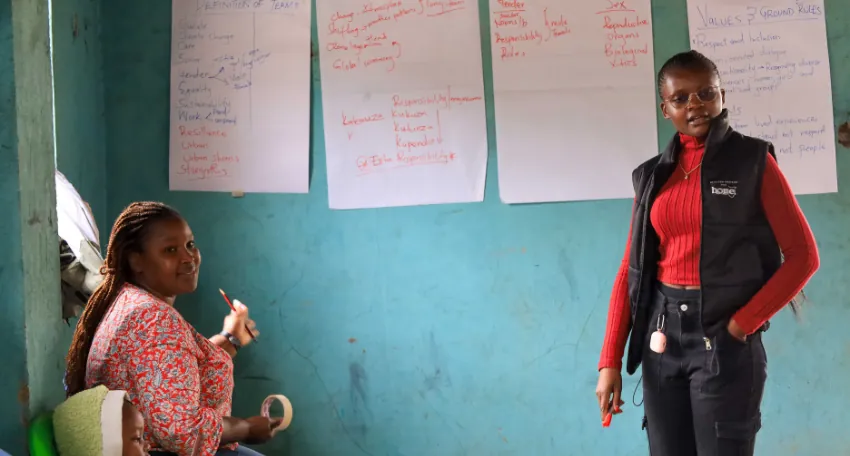
- Bringing care and gender equality into climate mitigation and adaptation Our workshops and dialogues ensure that every climate solution we develop respects care work and reduces – rather than adds to – women's unpaid labour.
- Promoting decent working conditions with a gender and care lens in the just transition We are already turning "care" into green jobs by training women and girls in climate-resilient community services and advocating for these roles to be recognised and paid.
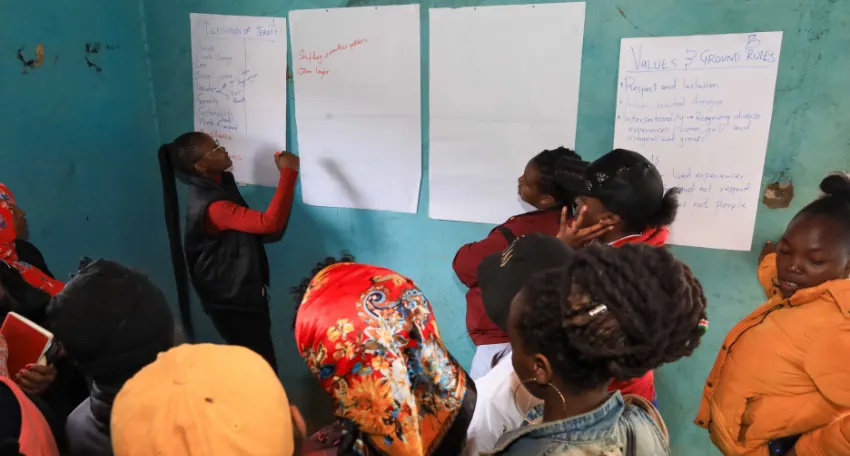
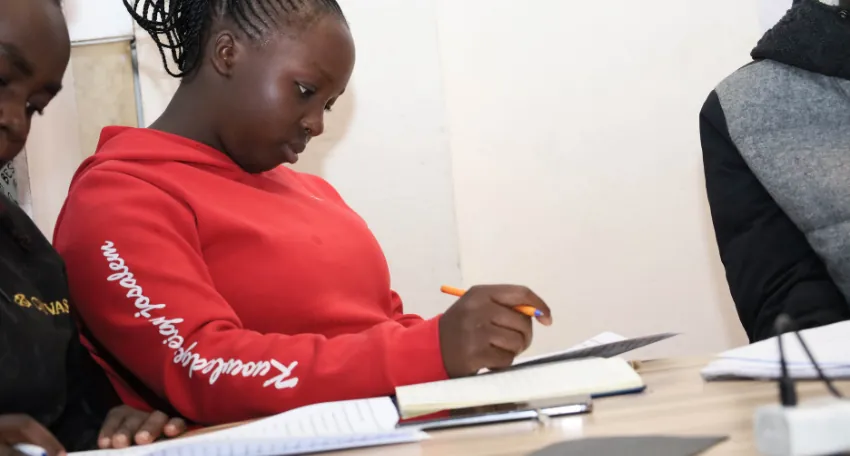
Building on three years of work through our Voices for Just Climate Action (VCA – funded by Hivos) and Youth-led Humanitarian Response (YHR – funded by the Embassy of Portugal) programmes, we launched #Climate&Care4Her to put their realities at the centre of climate action. What started as a plan is now daily reality: community dialogues, storytelling sessions, training workshops, and direct support during crises. The lessons we have learned together are already shaping solutions that work for the women and girls who need them most.